
The Flutist’s Starter Guide
Choosing your first Flute
Which flute is ideal for a beginner?
A good flautist needs a perfectly tuned companion. At Bamboo Bliss, we use the medium size C Natural flute for all our beginner and intermediate tutorials. It is the perfect size for most hands and provides a sweet, melodic tone that brings film songs to life. It is comfortable to hold and requires moderate breath.
Straight Flute or Side Flute?
Many beginners start with a Straight Flute because it’s easier to blow. However, there is a catch: straight flutes lack the tonal depth and resonance required for the soulful music and are rarely used professionally. The drawback is, if you learn on a straight flute and later want to upgrade to a Side Flute (Bansuri), you will have to re-train your embouchure (mouth position), learn to balance the flute differently, and synchronize your breathing all over again.
My Recommendation: Don’t take the shortcut. Even if it takes a week or two longer to produce your first clear note, start with a Side Flute. By mastering the side-blown technique from Day 1, you are building a foundation that allows for the slides (Meend), vibrato, and emotional depth that make the flute such a magical instrument.
Here are the three side flutes I personally recommend based on your budget and requirement
The Starter (PVC)
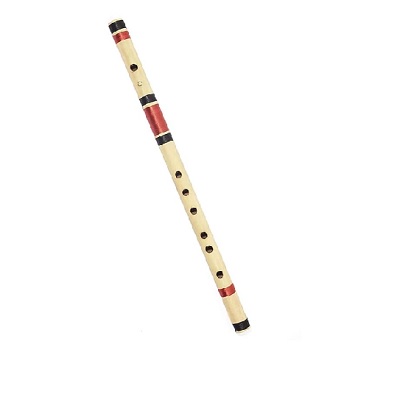
- For budget conscious beginners
- Made of high grade synthetic PVC
- Good tonal quality
- High durability
- Best starter
The Student (Bamboo)
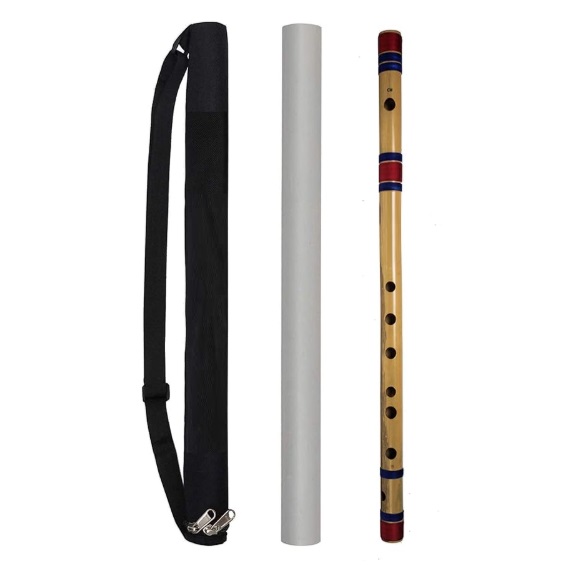
- For dedicated learners
- Made of seasoned Assam bamboo
- Warm and authentic tone
- High durability (requires care)
- Value for meoney
The Professional (Bamboo)
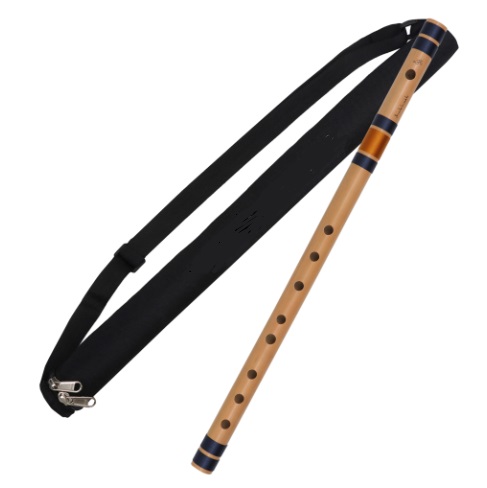
- For aspiring performers
- Made of premium bamboo
- Deep, Rich & Mellow tone
- High durability (requires care)
- Life time investement
Tips for Buying Your First Flute
Before you click “Buy,” keep these three professional tips in mind to ensure you get an instrument that helps—rather than hinders—your learning.
1. The Right-Hand vs. Left-Hand Rule
This is the most critical choice. Unlike a piano, flutes are side-specific.
- Right-Handed Flute: If you hold the flute to your right side (your right hand is further away from your face), you need a Right-Handed flute.
- Left-Handed Flute: If you hold the flute to your left side, you need a Left-Handed flute.
- Note: This is usually based on personal comfort, but most beginners follow their dominant hand.
2. Don’t Get Distracted by Thread Colors
You will see flutes with maroon, blue, or yellow threads. While they look beautiful, the color of the thread has zero impact on the sound. It is simply a way to prevent the bamboo from cracking. Focus on the Brand and the Tuning (C Natural Medium), and treat the thread color as a nice bonus.
3. PVC vs. Bamboo: Which is right for you?
- Choose PVC if: You live in an area with extreme weather (very dry or very humid), or if you want a “travel flute” that you can throw in a backpack without worrying about it cracking.
- Choose Bamboo if: You want the classic, soulful “woody” tone that defines Indian film music. Bamboo is a living material and responds beautifully to your breath, but it requires a bit of care (occasional oiling and avoiding direct sunlight).